

World Future Energy Summit wraps up following energetic week of industry-shaping announcements and partnerships
Energetic week of industry shaping announcements
World Future Energy Summit wraps up
Panos Bafis
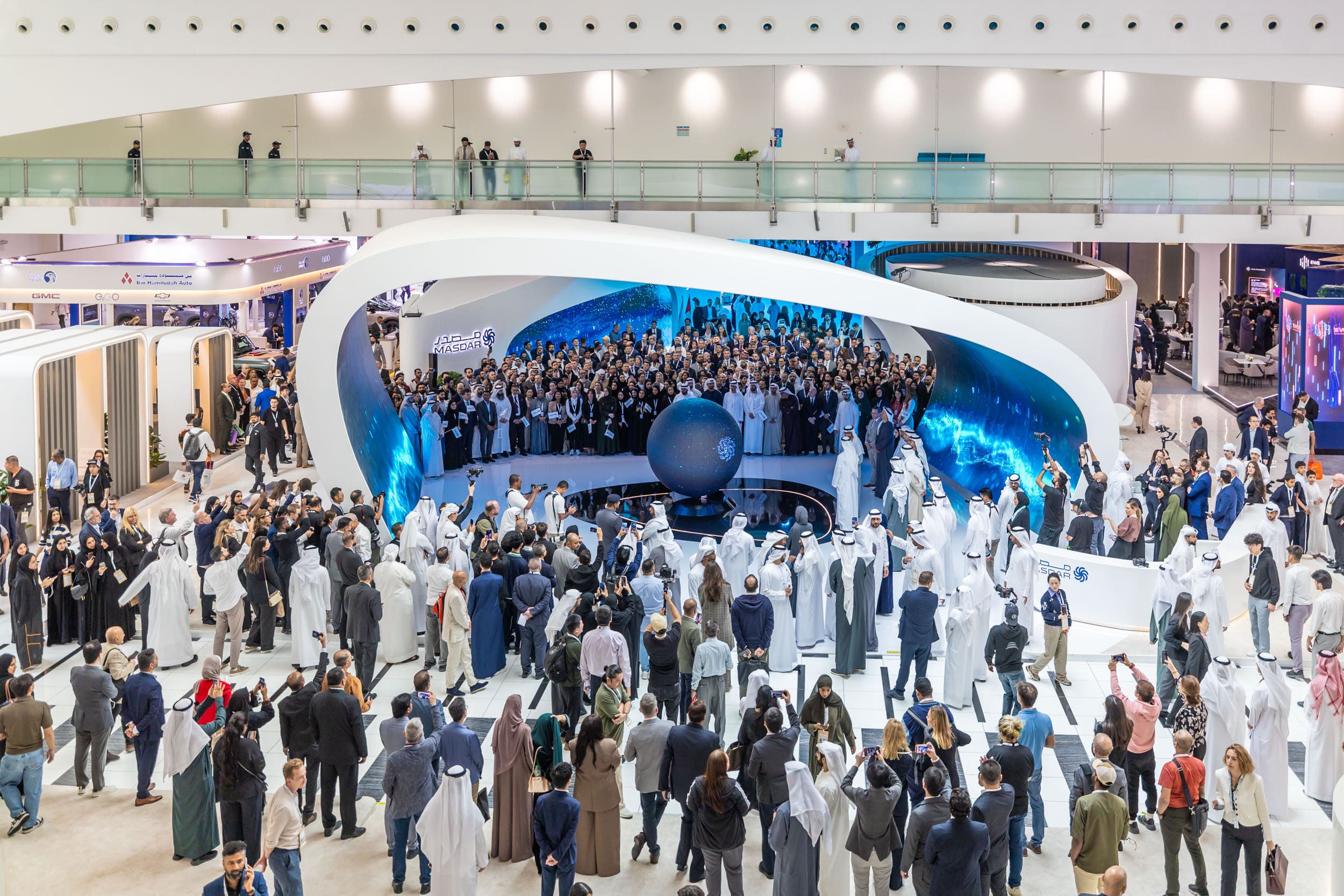
Taking place as part of Abu Dhabi Sustainability Week hosted by Masdar, the annual Summit – this year, the largest and most ambitious on record – convened global leaders and international attendees from 150-plus countries at a pivotal moment for energy transition. With a Day Three focus on wind energy, a report prepared by the World Future Energy Summit said wind is rapidly emerging as a strategic pillar of the Middle East’s renewable transition.
Marking a decisive shift from hydrocarbon dependence to diversified, sustainable power generation, governments and developers with ambitious net-zero goals are investing billions into gigawatt-scale wind assets that are now proven, bankable, and increasingly integrated into national energy systems.
Major utility-scale projects recently completed or underway highlight this momentum, from Saudi Arabia’s Dumat Al Jandal – the Kingdom’s first commercial wind farm powering tens of thousands of homes – to Egypt’s Gulf of Suez developments and NEOM’s pioneering green hydrogen scheme, which relies heavily on wind to produce clean fuel at scale. Across the wider region, the UAE, Jordan, Iraq, and Morocco are advancing feasibility studies, tenders, and expansions, setting the stage for more than 23 gigawatts of new wind capacity between 2025 and 2030.
Beyond emissions reduction, wind is proving a complementary asset to the region’s solar leadership, enhancing grid balance by generating at night while supporting clean energy job creation in manufacturing, R&D, supply chain, and storage. With forecasts signaling a further surge in installations in 2025, analysts anticipate the coming decade to be a defining phase of delivery for wind power in the Middle East.
Exhibiting for the first time at World Future Energy Summit, NatureMetrics is a technology company specialising in biodiversity analytics for industry and with a growing focus on offshore wind. Its core mission is to help developers understand nature risk and nature opportunity, especially at permitting, construction, and monitoring stages of renewable projects. Using environmental DNA sampling to identify marine species without the need for trawling, heavy field campaigns, or specialist ecologists, it enables developers to baseline biodiversity conditions, track impact during construction, and demonstrate improved nature outcomes once projects are operational.
NatureMetrics’ offering has become increasingly relevant as offshore wind developers look to quantify biodiversity benefits, support nature-positive claims, and manage stakeholder concerns, particularly those related to fishing communities and long-term marine habitat health. Laura Plant, the company’s Strategic Partnerships Director, revealed that the company ran a project with EDF Energy on a wind farm in the UK, and received 70 per cent more data yet required only 40 per cent as much time and a third of the personnel. “It was more efficient to get the data that was needed for the environmental impact assessment,” Plant said.
Major MoU signed to support Nigeria’s LNG expansion
The Summit continues to provide an important platform for international collaboration, with numerous agreements and ratifications reflecting the growing momentum behind the global energy transition. Among the key developments on the final day was an MoU signing and Financing Term Sheet worth US$700 million between Securo Investment Group and Ibom LNG & Logistics Base – a subsidiary of Erojim – to support the development of a strategic 100 million standard cubic feet per day (MMSCFD) Liquefied Natural Gas facility in the southern Nigerian state of Akwa Ibom.
Watched on by the Honorary Ekperikpe Ekpo, Nigeria’s Minister of State for Gas, the agreement was signed by Atuekong Jimmy Ernest Ntuen, Chief Executive Officer of Ibom LNG & Logistics Base, and Khurram Abdullah, Managing Director of Securo Investment Group. Ekpo said the MoU supports the development of the Ibom LNG project in Akwa Ibom and will add value to the African country.
“Nigeria is a gas nation and this project will harness our vast gas resources for commercial purposes, create job opportunities, and contribute to a cleaner energy future as we transition towards more environmentally friendly solutions to mitigate climate change,” he said. “With more than 600 million people across Africa still lacking access to electricity, investments such as this are essential to elevate living standards, reduce energy poverty, and strengthen energy security across the continent.”
Global CMX to ease market entry in both UAE and Australia
Global CMX, a premier advisory firm specialising in sustainable energy development, also announced the launch of its Cross-Border Energy Transaction Platform on day three. The platform is designed to facilitate investments, transactions, acquisitions, and expansions between the UAE and Australia, capitalising on the newly ratified UAE-Australia Comprehensive Economic Partnership Agreement (CEPA), which was formalised last October.
Serving as a centralised hub to attract inbound and outbound investments, the platform will streamline company expansions and acquisitions in both markets, as well as accelerate renewable energy project development. With a core focus on solar and wind power, long-duration energy storage, virtual power plants, green fuels, and green metals, it addresses the growing demand for sustainable solutions aligned with global net-zero ambitions.
Trevor Ducharme, President of Global CMX, said emphasis will be placed on the UAE's advanced ports infrastructure, which offers a modern and efficient approach to green fuels bunkering – positioning Khalifa Port and other key facilities as critical hubs for the global supply and distribution of sustainable marine fuels. The platform will also enable access to Australia's rich supply chain in critical minerals essential for battery manufacturing, supporting the rapid growth of electric vehicle and energy storage industries worldwide.
“The timing could not be more opportune – the energy market is seeing incredible growth for multiple reasons, including the booming data centre and AI sector, as well as the rapid expansion of the green hydrogen and green fuels sector,” said Trevor Ducharme, President of Global CMX. “Linking Australia to the world through the UAE significantly de-risks investment and attracts long-term offtake agreements, creating a powerful and secure pathway for scalable, bankable projects.”
While investment flows between the two nations have been robust for years, CEPA eliminates more than 99 per cent of tariffs, reduces regulatory barriers, and enhances investor protections, allowing companies to navigate red tape and scale rapidly. Australian firms, in turn, gain streamlined access to global markets through the UAE's business-friendly Emirates programmes, state-of-the-art ports, and strategic logistics networks.
Ducharme, who revealed the platform already has more than US$2 billion in deals pipelined, added: “With substantial grants and development funds focused on sustainable growth and available in both countries – such as Australia’s US$2 billion Hydrogen Headstart Programme, the US$392 million Industry Growth Programme, and the US$15 billion National Reconstruction Fund – we are positioned to ease market entry and drive initiatives across multiple emirates and Australian states.”
Energy security or net zero? A false dichotomy
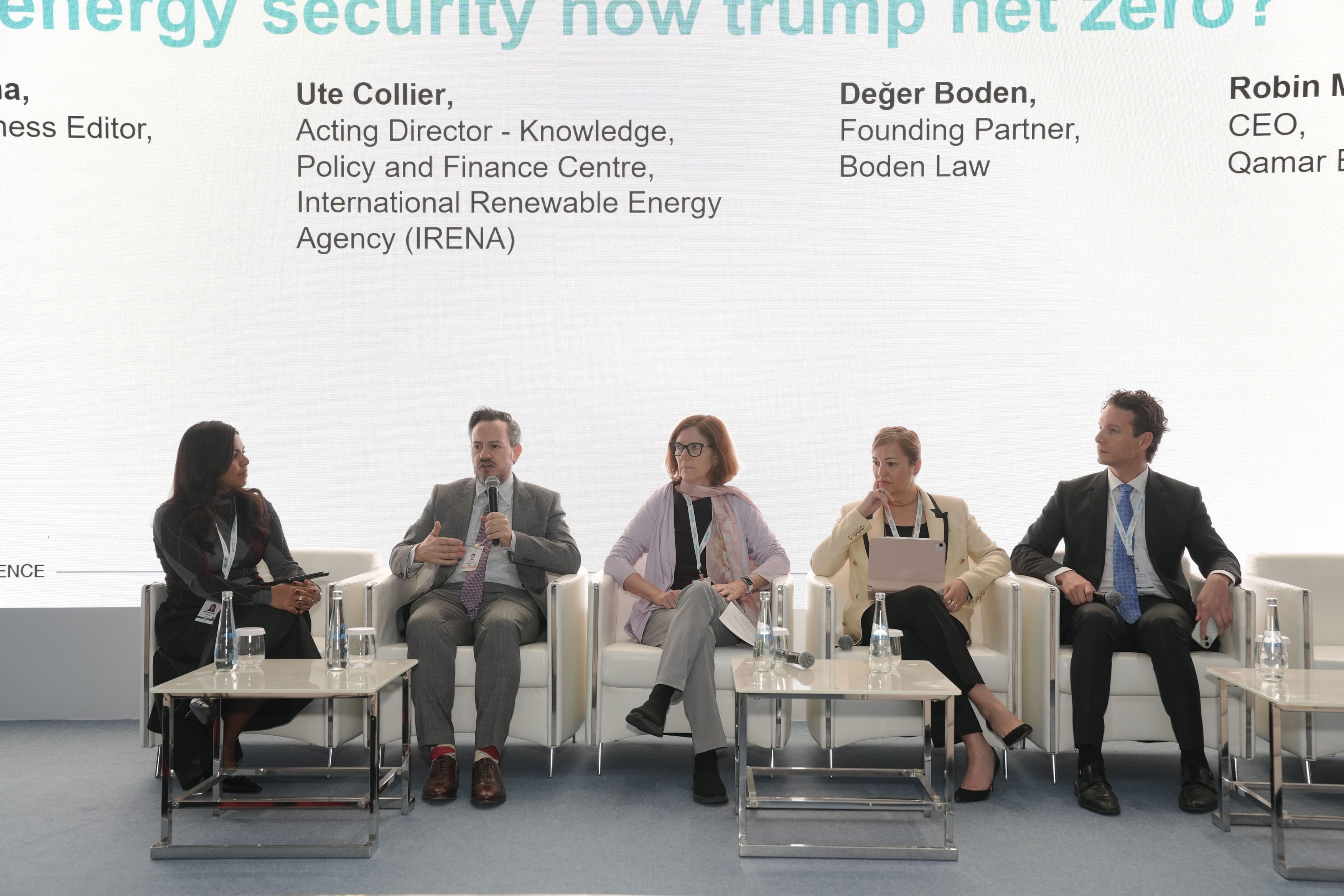
A morning panel focusing on clean energy, asked “Does energy security now trump net zero?”, with Robin Mills, CEO of Qamar Energy, being joined by Değer Boden, Founding Partner at Boden Law, Jeffrey Beyer, MD at Zest Associates, and Ute Collier, Acting Director - Knowledge, Policy and Finance Centre, at the International Renewable Energy Agency (IRENA).
The panel was united in their view that the premise is a false dichotomy, with Mills arguing that “if we're in a world of unchecked climate change there's no way to assure energy security”.
He added: “We see flooding of hydroelectric dams, landslides that carry away power lines, forest fires, flooding of low-lying areas, all these kinds of issues where climate is having a very direct effect on the energy system. A bit more broadly though, if we're in a world of dangerous climate change, geopolitical competition, failing states, mass migration, climate refugees, all this kind of stuff, there is no energy security in that world.”
In a later panel discussion also focused on energy security, it was highlighted that hydrogen is emerging as a key player in global efforts to combat climate change, exploring hydrogen production targets and the drivers necessary to establish a thriving hydrogen economy – including the need for bankable offtake agreements to promote viable hydrogen projects.
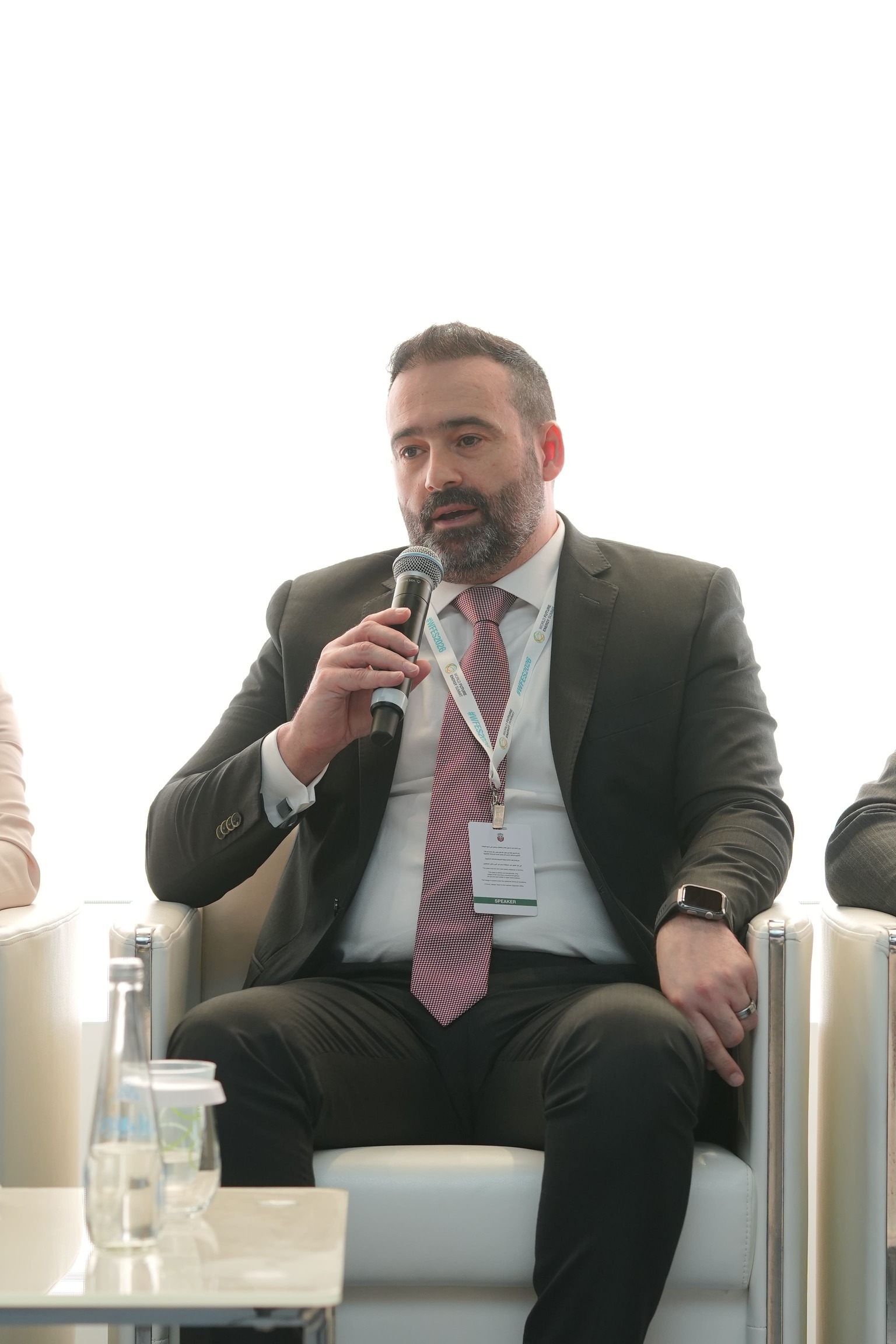
Speaking as part of the panel was Panos Bafis, Chief Consultant Hydrogen & Net Zero, AtkinsRealis, who highlighted where the opportunities are within hydrogen for wider adoption. “Despite world-class renewable and gas resources, the Middle East’s hydrogen ambitions are constrained by gaps in policy clarity, enabling infrastructure, certification alignment, and, above all, durable demand signals and bankable offtake.
“Acceleration will come from a coordinated regional playbook – with UAE, KSA, and Oman as the leaders – to harmonise guarantees of origin, convert MOUs into long term contracts with targeted de-risking, and launch anchor projects in steel, shipping fuels, and ammonia that build shared infrastructure, skills, and trade corridors for practical, scalable deployment.”
Gareth Rapley, Portfolio Director, Energy and Marine at RX Global, said: “As we close the doors on our 18th edition, the Summit has once again proven to be a catalyst for multi-million dollar partnerships that are set to accelerate the adoption towards a greener energy eco-system. Witnessing global solutions and hearing insights from across the various clean energy sectors these past three days instils confidence a more sustainable future, while still requiring much progress, is on the right path. We look forward to convening once again next year to further drive that progress and ensure the UAE remains a critical player in the renewable energy conversation.”
The next World Future Energy Summit will take place on 12-14 January 2027. For more information, please visit - https://www.worldfutureenergysummit.com/
Deepra Ahluwalia
Action Global Communications
+971 564770995
email us here
Legal Disclaimer:
EIN Presswire provides this news content "as is" without warranty of any kind. We do not accept any responsibility or liability for the accuracy, content, images, videos, licenses, completeness, legality, or reliability of the information contained in this article. If you have any complaints or copyright issues related to this article, kindly contact the author above.
